
Introduction
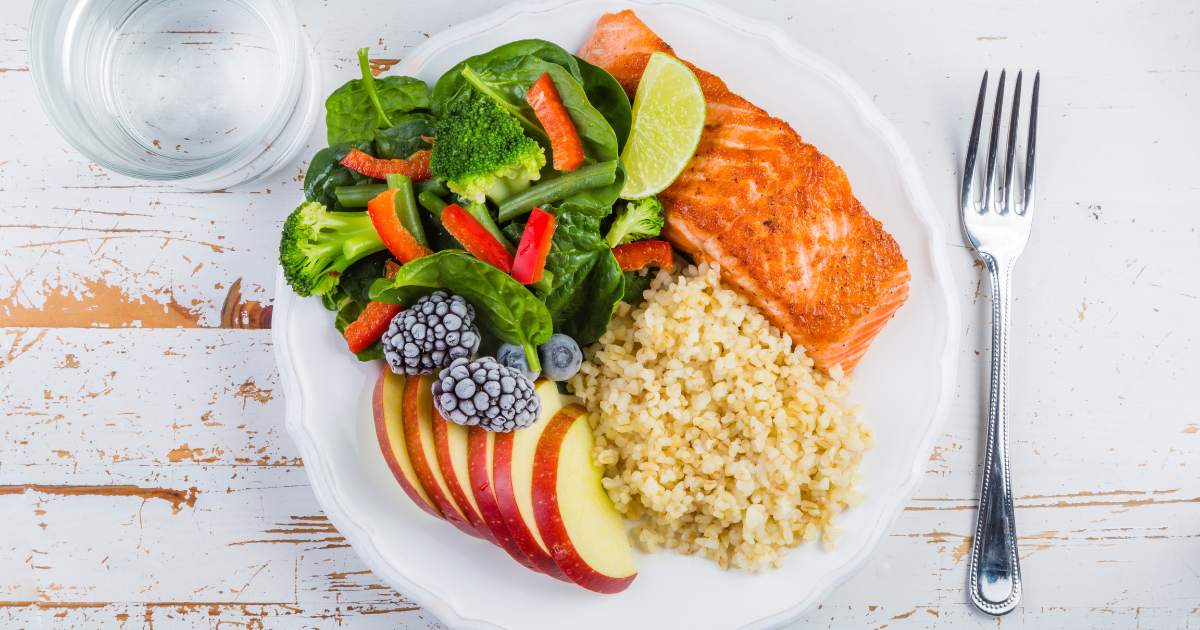
Creating balanced meals is one of the simplest and most effective ways to improve your health. But what exactly does a "balanced plate" look like? In this post, we'll explore how to portion your plate to include the right mix of nutrients, helping you feel energized, satisfied, and nourished throughout the day.
1. Start with Vegetables and Fruits (Half of Your Plate)
Why: Vegetables and fruits are high in essential vitamins, minerals, antioxidants, and fiber. They support digestion, help control blood sugar levels, and contribute to overall health.
What to Include: Aim for a colorful variety of veggies, including leafy greens like spinach or kale, colorful bell peppers, carrots, and cruciferous vegetables like broccoli or cauliflower. For fruits, choose whole options like berries, apples, or oranges for fiber benefits.
Tip: Try to fill half of your plate with a mix of veggies and some fruits. If you’re not a fan of raw veggies, try roasting or steaming them for added flavor.
2. Add Lean Protein (A Quarter of Your Plate)
Why: Protein is essential for muscle repair, immunity, and metabolism. It also helps keep you full and satisfied after a meal.
What to Include: Good options are lean meats like chicken, turkey, or fish, as well as plant-based proteins such as lentils, chickpeas, tofu, and tempeh. For variety, eggs and low-fat dairy like Greek yogurt are also excellent sources of protein.
Tip: If you’re vegetarian or vegan, aim to include a combination of plant-based proteins throughout the day to ensure you get all essential amino acids.
3. Incorporate Healthy Carbohydrates (A Quarter of Your Plate)
Why: Carbohydrates provide quick energy for your body and brain. Choosing complex carbs over simple carbs will help maintain steady blood sugar levels.
What to Include: Whole grains like quinoa, brown rice, whole-wheat pasta, and starchy vegetables such as sweet potatoes and butternut squash are excellent choices. These carbs contain fiber, which supports digestion and keeps you fuller longer.
Tip: Avoid refined carbs like white bread and pastries, which can spike blood sugar and lead to energy crashes.
4. Don’t Forget Healthy Fats (In Small Portions)
Why: Healthy fats are vital for brain health, hormone balance, and satiety. Including a small portion of healthy fats can make meals more satisfying.
What to Include: Great options are avocado, olive oil, nuts, seeds, and fatty fish like salmon. A sprinkle of nuts on a salad or a drizzle of olive oil over roasted veggies adds both flavor and nutrition.
Tip: Use about a thumb-sized portion of healthy fats per meal. If using oils for cooking, stick to a teaspoon or two to keep portions in check.
5. Hydrate! (With Water or Herbal Tea)
Why: Hydration is often overlooked but is essential for digestion, metabolism, and even appetite control.
What to Include: Water should be your primary beverage, but herbal teas or sparkling water can also be refreshing alternatives without added sugar.
Tip: Try drinking a glass of water before your meal to help with digestion and prevent overeating.
Conclusion
Creating a balanced plate is a straightforward approach to healthy eating that doesn’t require complicated diets or calorie counting. It’s a flexible framework that can be adapted to any cuisine, lifestyle, or dietary preference. At NutriInsights, we’re here to help you build healthy habits and provide guidance on meal planning that aligns with your goals. Schedule a consultation to get started on your journey to optimal health with balanced nutrition.